
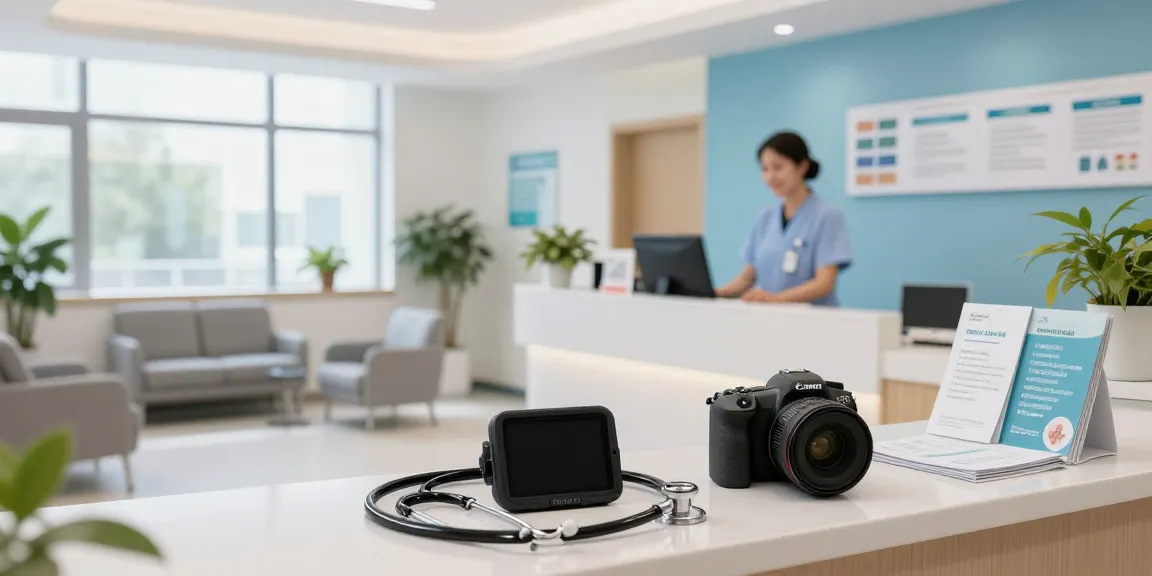
Understanding the Importance of Integrated Health Services
Integrated health services are designed to offer comprehensive care that addresses multiple aspects of a patient’s health and well-being. This holistic approach is essential for improving health outcomes and ensuring patient satisfaction. In today’s fast-paced world, many individuals seek more than mere treatment of symptoms; they desire an encompassing strategy that looks at the entirety of their health. For those exploring options in this realm, https://luck8.com.de/ provides comprehensive insights into how integrated health services can meet various needs.
What Are Integrated Health Services?
Integrated health services refer to the coordination and organization of various medical services to enhance patient care. This includes the collaboration among primary care providers, specialists, mental health professionals, and community services. The goal is to create a seamless transition throughout a patient’s healthcare journey, from prevention and diagnosis to treatment and follow-up care. Such integration allows for better information sharing and communication among providers, ensuring that all healthcare practitioners involved are aware of a patient’s history, current treatment, and future needs.
Benefits of Comprehensive Patient Care
There are numerous benefits to a comprehensive patient care model, which include:
- Improved Health Outcomes: By addressing all aspects of health, patients are likely to experience better health results.
- Enhanced Patient Satisfaction: A cohesive care approach often leads to increased patient trust and satisfaction.
- Efficiency and Cost-effectiveness: Integrated services reduce redundancies in testing and treatment, potentially lowering overall healthcare costs.
- Personalized Care Plans: Providers can design individualized care plans by considering the patient’s entire health profile.
Luck8’s Approach to Health Integration
Luck8 emphasizes integrated health services as part of its core mission. The platform connects various healthcare providers, giving patients access to a team of specialists tailored to their specific needs. Through regular assessments and collaborative strategies, Luck8 aims to foster an environment where patients feel supported at every step.
Navigating Preventive Care and Wellness Screenings
Preventive care plays a pivotal role in identifying potential health issues before they become serious. Regular wellness screenings can lead to early diagnosis and treatment of conditions that could otherwise go unnoticed. This not only enhances quality of life but also reduces long-term healthcare costs.
Importance of Regular Health Screenings
Health screenings are essential for everyone, regardless of age. They help in identifying risks and potential health issues associated with various diseases such as diabetes, heart disease, and cancer. The Centers for Disease Control and Prevention (CDC) advocates for regular screenings according to age and risk factors, emphasizing the importance of these preventative measures in maintaining optimal health.
What to Expect During Screenings
During a health screening, patients can expect a variety of assessments, which may include blood pressure checks, blood tests, physical examinations, and history evaluations. The specifics will depend on the individual’s age, sex, and health history. Results are typically reviewed in depth, allowing providers to devise appropriate treatment plans if needed.
Innovative Tools for Health Monitoring
Advancements in technology have introduced innovative monitoring tools that assist individuals in managing their health. Wearable fitness devices, mobile health apps, and telehealth services provide real-time health data and can facilitate communication between patients and their healthcare providers. These tools empower patients to take an active role in their health management, fostering a culture of wellness and prevention.
Enhancing Mental Health Awareness and Treatment
Mental health awareness has gained significant attention in recent years, recognizing its profound impact on overall well-being. Many individuals experience mental health issues, yet stigma often prevents them from seeking help. Enhancing awareness and providing accessible treatment options is crucial for supporting those in need.
Spotting Signs of Mental Health Issues
Recognizing early signs of mental health problems is vital for effective intervention. Common indicators include persistent sadness, changes in appetite or sleep patterns, social withdrawal, and difficulty concentrating. It’s essential for individuals and loved ones to be mindful of these symptoms and seek help if they persist.
Overview of Available Treatments
Numerous treatment options exist for mental health issues, including counseling, medication management, and lifestyle modifications. Cognitive Behavioral Therapy (CBT) and other forms of psychotherapy are effective for many individuals, while medications can help manage symptoms and improve quality of life. The right approach often depends on the individual’s specific circumstances, preference, and the nature of their mental health challenge.
Luck8’s Mental Health Resources
Luck8 is committed to offering resources that enhance mental health awareness and accessibility to treatment. The platform features information on local mental health professionals and support groups, emphasizing the importance of community support in navigating mental health challenges.
The Role of Digital Health Innovations in Modern Healthcare
The landscape of healthcare is rapidly evolving due to digital innovations that enhance patient care and streamline operations. Telemedicine has emerged as a significant advancement, breaking down geographic barriers and increasing access to healthcare services.
What is Telemedicine?
Telemedicine refers to the use of technology to deliver medical care remotely. Through video calls, phone consultations, and secure messaging, patients can connect with healthcare providers from the comfort of their homes. This model is especially beneficial for individuals with mobility issues or those living in rural areas where access to healthcare may be limited.
Benefits of Virtual Consultations
There are several compelling advantages to virtual consultations:
- Convenience: Patients can schedule appointments at times that work for them without the need for travel.
- Reduced Wait Times: Telemedicine often leads to quicker access to specialists and timely medical advice.
- Enhanced Safety: Virtual visits reduce the risk of exposure to illnesses, an essential consideration in the current health climate.
How Luck8 Embraces Digital Health
Luck8 integrates digital health solutions to improve the patient experience. By offering telemedicine services, patients can easily access the care they need without traditional barriers. This commitment demonstrates Luck8’s dedication to modern healthcare practices that prioritize patient convenience and safety.
Patient Rights and Advocacy in Healthcare
Patient empowerment is a fundamental component of contemporary healthcare, and understanding patient rights is crucial for advocates and patients alike. When individuals are aware of their rights, they are better equipped to make informed decisions about their care.
Understanding Your Patient Rights
Patients have the right to receive respectful and informed care, including the right to privacy and confidentiality concerning their medical information. Additionally, patients should have the autonomy to make decisions about their treatment options and consent to procedures. Advocating for oneself and knowing these rights enhances a patient’s ability to participate actively in their healthcare journey.
Resources for Patient Advocacy
There are numerous resources available for patient advocacy, including organizations that offer support, information, and assistance in navigating complex healthcare systems. Local advocacy groups often provide invaluable resources, empowering patients to voice their concerns and ensuring they receive fair treatment.
Luck8’s Commitment to Transparency
Luck8 champions patient rights and transparency, providing users with clear information regarding their services, privacy policies, and patient support resources. Transparency fosters trust, which is essential to a successful patient-provider relationship.