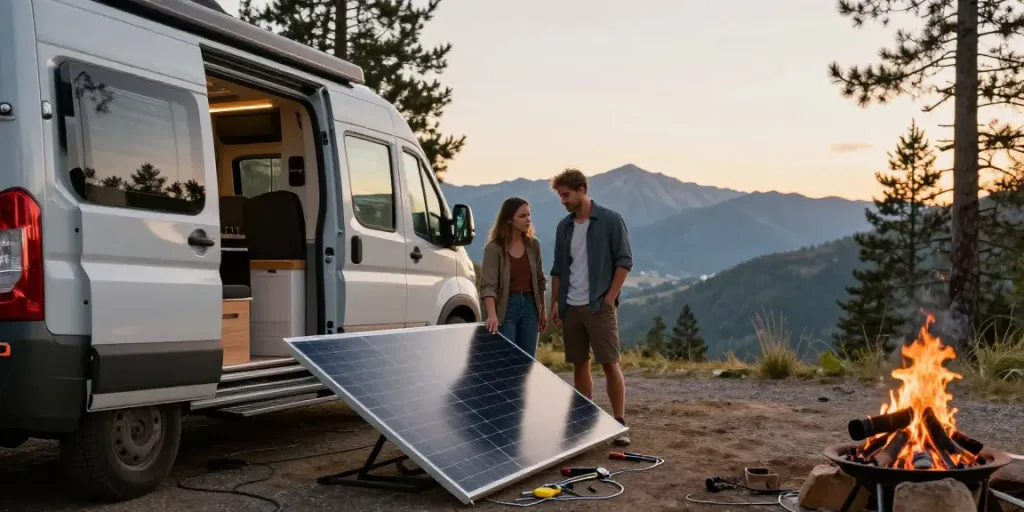
Understanding Van Conversion Electrics
When it comes to converting a van into a camper, one of the most critical aspects to consider is the electrics – specifically, the battery systems, solar power, and wiring. A solid understanding of these components not only enhances your van's functionality but also ensures a safe and efficient setup. For those venturing into van life, understanding these electrics can feel overwhelming. However, with the right guidance and resources, including rokok88, you can navigate the complexities with ease.
What You Need to Know About Campervan Batteries?
Choosing the right battery for your campervan conversion is paramount for ensuring a reliable power source. Most enthusiasts opt for deep-cycle batteries, which are designed to be discharged and recharged repeatedly, making them ideal for daily use in a mobile environment. Lithium-ion batteries have gained popularity due to their lightweight and longer lifespan, but they come at a higher price point.
- Lead Acid Batteries: These are usually cheaper and can withstand high discharges but are heavier and have a shorter lifespan.
- Lithium Batteries: More expensive, but they are lighter, have a longer cycle life, and are more efficient.
When selecting a battery, consider how much power you'll need and for how long you expect to be off-grid. This will help you determine the right capacity and type for your needs.
Key Components of Solar Power Systems for Van Life
Integrating solar power into your campervan can significantly reduce reliance on external power sources. A basic solar power system typically consists of solar panels, a charge controller, batteries, and an inverter.
- Solar Panels: These capture sunlight and convert it to electricity. The number and size will depend on your power requirements.
- Charge Controller: This manages the electricity going into the batteries to prevent overcharging.
- Batteries: Store the energy generated for use when sunlight is not available.
- Inverter: Converts DC power from the batteries to AC power for standard appliances.
Proper sizing and installation of these components are crucial for optimal performance.
Wiring Basics: Essential Tips for Safety and Efficiency
Wiring your campervan correctly is vital for both safety and performance. Here are some essential tips:
- Always use the correct gauge wire to prevent overheating.
- Keep wiring as short as possible to reduce voltage drop.
- Clearly label wires to avoid confusion during troubleshooting.
Employing these practices will help ensure that your electrical system operates smoothly and safely.
Calculating Battery and Solar Needs
Before purchasing any components, it’s essential to evaluate your energy needs accurately. This section will guide you through using tools and calculations to determine the appropriate size for your battery and solar setup.
Using the Campervan Battery Size and Solar Calculator
Online calculators are invaluable tools for prospective van lifers. These calculators prompt you to input various data points, including your expected usage of appliances, the type of battery, and the solar panel capacity. By leveraging these tools, you can arrive at the ideal battery size and the number of solar panels you'll need for your setup.
Determining Energy Consumption: What to Consider
To effectively size your system, you must first determine your daily energy consumption. This includes:
- Lighting
- Refrigeration
- Charging electronics (laptops, phones)
- Cooking appliances
By adding the wattage of all devices and estimating the total hours of usage, you can calculate the energy requirements in watt-hours.
Common Mistakes in Sizing Solar and Battery Systems
Many new van lifers make common mistakes that can lead to inadequate power supply:
- Underestimating daily energy consumption.
- Overlooking the importance of seasonal variations in sunlight.
- Failing to account for the efficiency losses in the system.
Learning from these mistakes can save you costly upgrades and frustrations down the road.
Installing Your Electrical System
Installation of your electrical system is a significant part of the campervan conversion process. Mistakes can be costly and dangerous, so it’s crucial to approach this task with care.
Step-by-Step Guide to Wiring Your Campervan
Wiring your campervan follows a systematic approach:
- Plan the layout carefully, ensuring all appliances are accounted for.
- Run cables according to the planned layout, ensuring to keep them away from moving parts.
- Connect all components starting with the batteries, then the solar panels and appliances.
- Test each connection as you go to avoid complicated troubleshooting later.
Following these steps will help streamline the installation process and enhance safety.
Best Practices for Installing Solar Panels
Correctly installing solar panels is crucial for maximizing efficiency:
- Choose a location with optimal sunlight exposure.
- Ensure panels are securely mounted to withstand wind and vibrational forces while driving.
- Regularly clean panels to maintain efficiency.
By adhering to these practices, your solar power system will operate at peak performance.
How to Ensure Safety While Installing Electrics
Safety should be your top priority when working with electrics:
- Always disconnect the power source before making any wiring changes.
- Use protective gear when handling batteries and tools.
- Confirm all connections are insulated and secure to prevent shorts.
Prioritizing these safety measures will help prevent accidents during installation.
Choosing the Right Van for Conversion
Not all vans are created equal, and choosing the right one can significantly impact your conversion experience. Factors such as size, model, and build quality play essential roles in determining how well your electrical system will perform.
Top Features to Look for in a Campervan
When selecting a van for conversion, consider these key features:
- Space for installing batteries and solar panels.
- Access points for wiring and plumbing.
- Overall weight capacity to accommodate additional equipment.
Choosing a van that meets these criteria will facilitate a smoother conversion process and ensure you have enough room for your electrical components.
Comparing Popular Van Models for DIY Conversions
Some of the most popular vans for conversions include the Ford Transit, Mercedes Sprinter, and RAM ProMaster. Each has its pros and cons:
- Ford Transit: Wide variety of sizes and configurations.
- Mercedes Sprinter: Known for its durability and ample headroom.
- RAM ProMaster: Offers a low floor and excellent maneuverability.
Evaluating these options based on your specific needs will help you make an informed decision.
How Vehicle Type Impacts Your Electrical Setup
The type of van you choose will also influence your electrical setup:
- Weight capacity can dictate how many batteries you can include.
- Height and interior space affect where solar panels can be mounted.
- Access to power points and storage space influences wiring layout.
Understanding these variables will allow you to create a tailored electrical system.
Future-Proofing Your Van's Electrical Systems
As technology evolves, so do the options for van electrics. Future-proofing your electrical setup will ensure you can adapt to new advancements and needs.
Emerging Trends for Solar and Battery Technology in 2026
By 2026, we can expect several exciting trends in solar and battery technology, including:
- Improvements in battery efficiency and lifespan, particularly in lithium technologies.
- Flexible solar panel options that can fit unconventional spaces.
- Smart monitoring systems that allow real-time energy tracking.
Staying informed will help you integrate these innovations into your camper.
Upgrading Your Electrical System: When and How
As your needs evolve, you may require upgrades:
- Consider upgrading your battery bank if you find you have more energy needs.
- Add solar panels if you frequently encounter running low on power.
- Implement smart technology for improved efficiency and monitoring.
Knowing when to upgrade can prolong the life of your system and enhance your van life experience.
How to Stay Informed on Industry Innovations
To keep your campervan setup current:
- Follow industry blogs and forums, such as ROKOK88.
- Attend van life expos or workshops.
- Engage with communities on social media platforms.
These resources will provide valuable insights and updates on the latest technologies.
What is the ideal campervan setup for beginners?
For beginners, a simple setup with a basic battery system and one or two solar panels is often sufficient. Focus on essential appliances and gradually expand your system as you gain experience and confidence.
How can I increase solar efficiency in my campervan?
To improve solar efficiency, tilt solar panels towards the sun, keep them clean, and consider installing an MPPT charge controller for better energy conversion.
What tools do I need for van electrics installation?
Essential tools include a multimeter, wire stripper, crimping tool, and various hand tools for mounting and installation.
How do I maintain my campervan's electrical system?
Regularly check connections, clean solar panels, and monitor battery levels. Keeping these components in top condition will minimize issues.
What are common challenges during a van conversion?
Common challenges include budget constraints, limited space for installations, and the steep learning curve associated with electrical systems.